

About Author

Rajiv is the architect of InThing platform.
The “What, Where, and How” of Industrial AI: A Practical Guide to Intelligence about Things
Now AI has been around for a while, yet the transformation of industrial operations using generative AI seems to lags behind by a wide margin. Is an ongoing transformation underway?
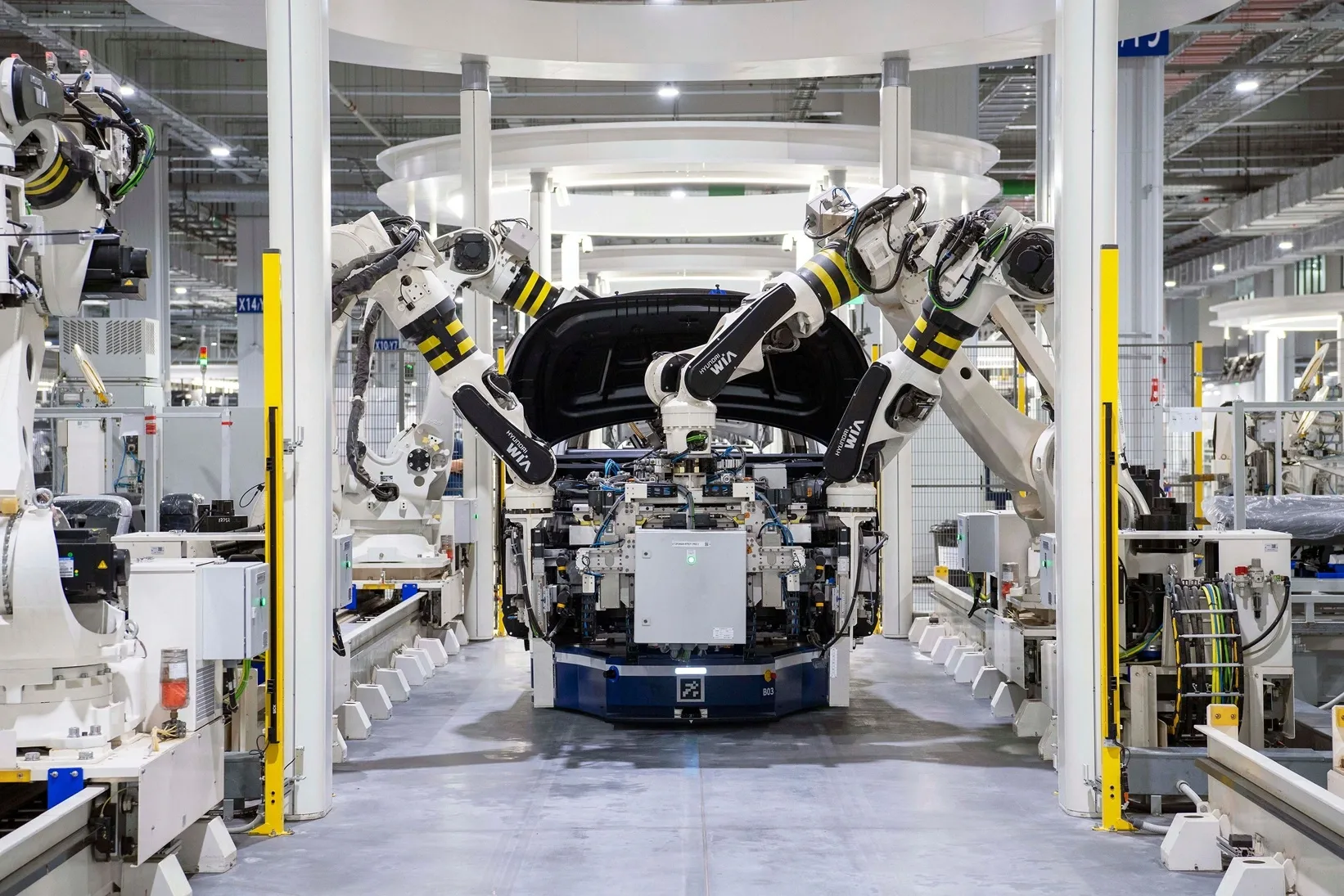
In manufacturing and logistics, the traditional focus of AI has been machine health or defect detection. However, some of the most rapid ROI come from transforming how we track the identity, location, and environment of physical things—the “What, Where, and How” of operations.
For operations managers, this is where AI shifts from an experimental tool to a core driver of efficiency. By combining edge-computing infrastructure with advanced tracking technologies, facilities can transition from static, manual auditing to real-time, autonomous asset intelligence.
The Sensor Stack: The Eyes and Ears of Physical AI
To build a responsive system, we rely on a specialized layer of physical sensors that continuously capture operational contexts:
- Identity (What): RFID and Bluetooth Low Energy (BLE) tags assign a unique digital footprint to every part, bin, and finished good.
- Location (Where): Real-Time Location Systems (RTLS) and AI-powered computer vision track spatial movement across wide industrial footprints.
- Environment (How): Industrial Internet of Things (IoT) sensors continuously measure parameters like ambient temperature, shock, and humidity.
1. Autonomous Material Auditing and Supplier Integration
Manual cycle counts and clipboard-based shipping logs are inherently prone to human error and latency. By integrating RFID and BLE data directly into an AI orchestration engine, plants can execute autonomous material auditing.
As raw materials cross the dock, edge-based AI models cross-reference incoming tags against purchase orders in real time. This enables supplier-integrated shipping and receiving processes: For example, if a manufacturer sends biological reagent exposed to improper transit temperature, the AI automatically flags the batch for quality holds before it ever reaches the production floor.
2. Streamlining Logistics: AMRs and Automated Shipment Verification
In the warehouse, the combination of RFID, RTLS and computer vision transforms the dispatching of Autonomous Mobile Robots (AMRs). Instead of relying on rigid, pre-programmed routes, AI engines analyze RTLS telemetry to route AMRs dynamically around temporary bottlenecks, maximizing throughput.
Once goods leave the assembly line, the transition from finished goods handling to automated shipment verification becomes completely touchless.
[Finished Goods Gate] ──> [Vision AI scans geometry] ──> [RFID reader pulls SKU] ──> [AI verifies Order Match] ──> [Auto-Gate Release]
As a pallet passes through a shipping portal, overhead vision AI analyzes package dimensions and labels while RFID readers simultaneously register the electronic product codes. The AI system reconciles this multi-modal data in milliseconds, verifying shipping accuracy and updating the ERP without a single manual scan.
3. Optimizing Workforce Productivity
Asset intelligence is as much about human workflow optimization as it is about moving freight. By utilizing RTLS data alongside machine vision, operations managers gain macro-level visibility into workforce productivity without intrusive monitoring.
AI models analyze aggregated spatial data to identify layout bottlenecks—such as an operator waiting too long at a tool crib or an AMR blocking a high-traffic aisle. Rewriting these travel paths based on empirical spatial data directly reduces non-value-added time.
Implementation Checklist for Operations Managers
To move past pilot purgatory and deploy these capabilities successfully, use this practical implementation roadmap inspired by the A3 infrastructure framework:
- Standardize the Data Layer First: Ensure your BLE, RFID, and vision systems feed into a unified middleware or Unified Namespace (UNS). AI cannot contextualize fragmented data silos.
- Evaluate “Make vs. Buy”: For standard location and tracking deployments, leverage off-the-shelf industrial AI platforms. They offer lower initial costs, robust testing frameworks, and immediate scalability. Save custom model development (“Make”) for highly proprietary production environments.
- Process at the Edge: Process telemetry data (like high-frequency RTLS or vision streams) locally on edge gateways. Only send aggregated, actionable operational events to the cloud to minimize bandwidth costs and latency.
The Bottom Line
By leveraging AI to map the identity, location, and environment of physical assets, operations managers can eliminate blind spots across the supply chain. The resulting visibility transforms reactive floor management into a predictive, fully synchronized operation.